

Why is the use of portable power stations prohibited in environments with strong static electricity or strong magnetic fields?
Why is the use of portable power stations prohibited in environments with strong static electricity or strong magnetic fields?
Expert Analysis · Energy Storage Safety Explained · September 2026
Introduction
Open the user manual of virtually any mainstream portable power station, and you will almost certainly find a warning in the "Safety Precautions" section stating: "Do not use this product in environments with strong static electricity or strong magnetic fields." Often listed alongside standard precautions regarding water, fire, and high-temperature resistance, this warning is easily dismissed by consumers as a generic disclaimer. However, from the perspectives of electronic engineering and battery safety, it is a mandatory requirement grounded in clear technical principles—specifically addressing the damage caused to precision circuitry by electrostatic discharge (ESD) and the interference of strong magnetic fields with current sensing and protection systems. This article systematically explains why this warning demands serious attention, examining the issue through three lenses: operating principles, actual risks and consequences, and the latest regulatory developments.
I. What are "strong electrostatic" and "strong magnetic field" environments?
The "strong static electricity" environments mentioned in the portable power station manual typically refer to conditions—often characterized by dryness and low humidity—where objects such as the human body, synthetic fabrics, plastic films, or conveyor belts accumulate high electric potentials (reaching thousands or even tens of thousands of volts) due to friction, creating a risk of sudden electrostatic discharge. "Strong magnetic field" environments refer to areas where the magnetic flux density is significantly higher than the Earth's magnetic field (approximately 0.5 Gauss); examples include locations near large electric motors, transformers, loudspeaker magnets, industrial magnetic particle inspection yokes, or MRI equipment. The following are several typical scenarios that should be strictly avoided:
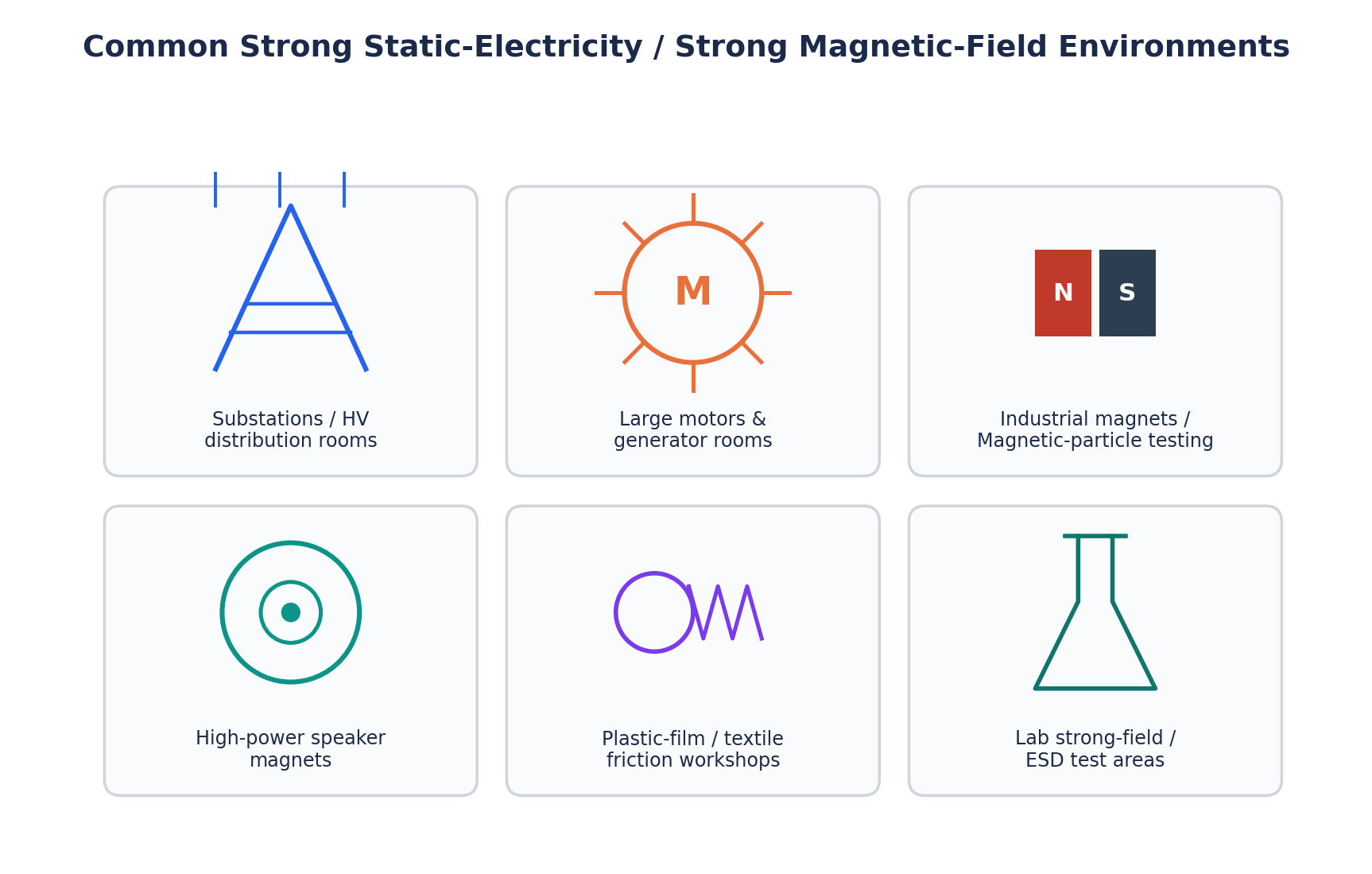
Figure 1 Examples of common environments with strong static electric or magnetic fields
• Electrical substations, high-voltage distribution rooms, and power maintenance sites
• Large electric motors, generator rooms, and wind turbine nacelles
• Work areas involving powerful industrial permanent magnets, magnetic particle inspection, or degaussing equipment
• Vicinity of high-power loudspeakers and subwoofers
• Areas prone to triboelectric charging, such as plastic film and synthetic fiber textile production workshops
• Laboratory high-magnetic-field test areas and ESD/EMC test stations
II. One of the causes: Electrostatic discharge (ESD) can directly impact internal circuits.
The destructive potential of electrostatic discharge (ESD) depends not on the total energy involved, but on the instantaneous power density released. According to international electromagnetic compatibility (EMC) standards such as IEC 61000-4-2, contact ESD can generate peak voltages of up to 8 kV with rise times of less than 1 nanosecond—sufficient to subject chip pins to transient voltages far exceeding their rated withstand limits within that nanosecond timeframe. Portable power stations incorporate numerous ESD-sensitive semiconductor components, including battery management systems (BMS), microcontroller units (MCUs), and current sensing and protection circuits. If static electricity enters the circuitry through external interfaces—such as charging ports, USB ports, or buttons—or couples into internal traces via electromagnetic radiation, it can cause operational interference or even permanent damage.
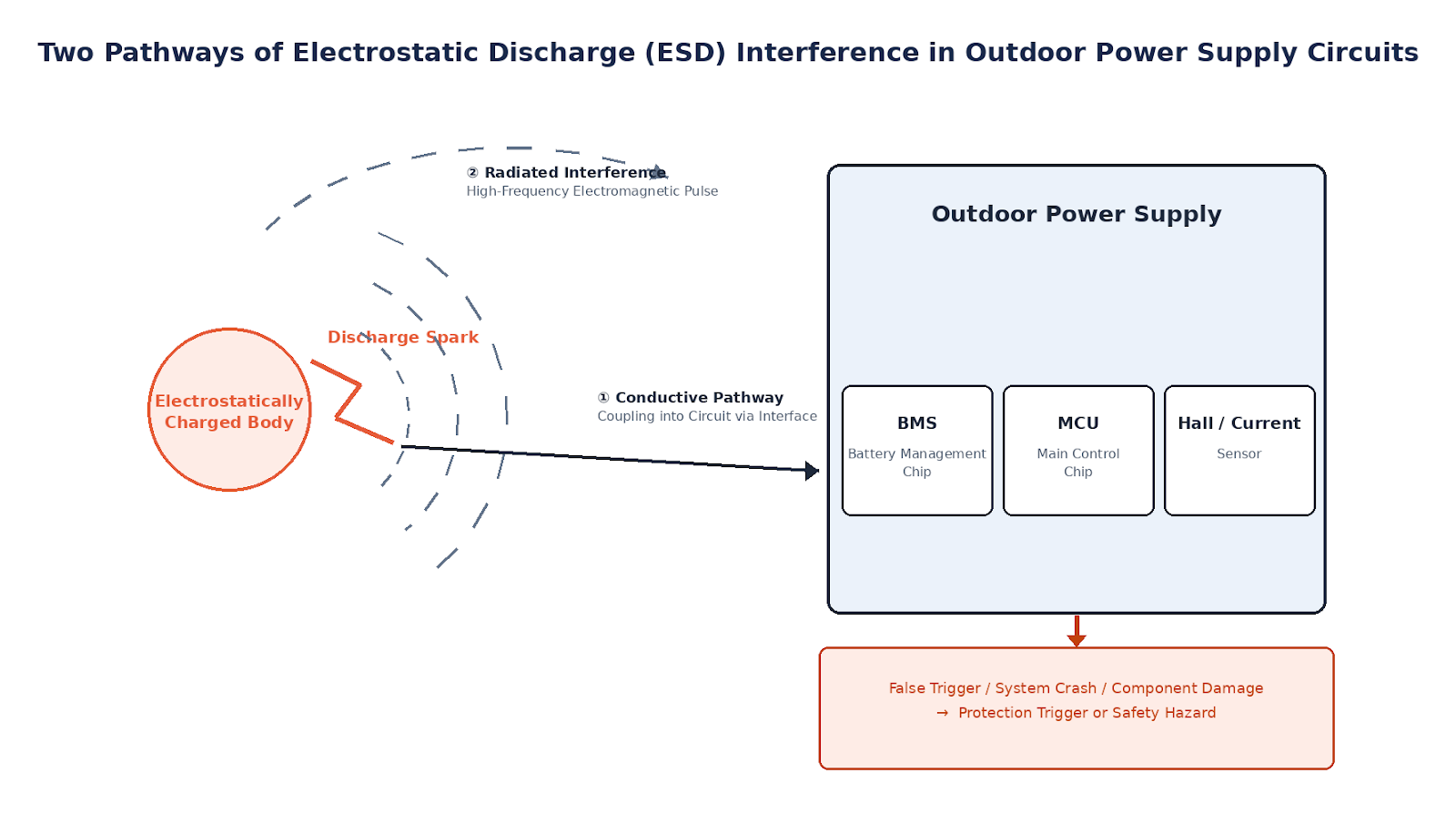
Figure 2 Two pathways for electrostatic discharge interference affecting outdoor power supply circuits: conducted intrusion and radiated coupling.
Industry statistics indicate that approximately 90% of component damage caused by static electricity falls under the category of "soft damage"—where surface parameters appear normal despite microscopic internal structural damage. This significantly compromises reliability, potentially leading to sudden failure during subsequent operation due to compounding factors such as overvoltage or high temperatures. The remaining 10% constitutes "hard damage," resulting in immediate dielectric breakdown or burnout and a total loss of functionality. In the case of outdoor power supplies, even if static electricity does not directly destroy components, the associated high-frequency pulse interference can cause the BMS or MCU to make erroneous judgments—such as triggering a protective shutdown due to a false short-circuit or overcurrent detection, or conversely, failing to timely identify actual abnormal conditions.
|
Key Risks The "soft failure" caused by ESD is inherently hard to detect and typically slips past factory testing, yet it can quietly set up circuit malfunctions, protection failures, and even thermal-runaway risks down the line. |
III. Reason No. 2: Strong magnetic fields can interfere with current detection and protection systems.
Portable power stations commonly utilize Hall-effect current sensors to monitor charge and discharge currents in real time, providing the Battery Management System (BMS) with critical data for functions such as state-of-charge (SOC) estimation, overcurrent protection, and short-circuit protection. These sensors operate by detecting changes in magnetic fields to output a voltage signal proportional to the current; consequently, if the device is exposed to a strong external magnetic field, the sensor detects both that external field and the magnetic field generated by the measured current. The superposition of these fields leads to significant distortion in the current readings.

Figure 3: How strong magnetic fields interfere with the internal sensing and control circuits of portable power stations.
In addition to affecting Hall sensors, strong magnetic fields can cause internal relays and contactors to engage or disengage erroneously, or induce magnetic saturation in components such as transformers and inductors; this leads to AC output waveform distortion, reduced efficiency, and even the false triggering of protection circuits. Of even greater concern is that if the BMS misinterprets the battery's actual voltage or current status due to magnetic interference, it may continue charging or discharging when the battery is already near full charge or deeply discharged—a common trigger for lithium battery thermal runaway (resulting in fires, swelling, or even explosions).
IV. This is not merely a "manufacturer's disclaimer"—there are real safety consequences.
Some consumers view such warnings in user manuals merely as "catch-all clauses" intended to shield manufacturers from liability; however, an examination of the underlying operating principles reveals that these warnings address a genuine chain of potential failure: interference leads to erroneous system assessment, which causes a failure in charge/discharge control; this control failure, compounded by the chemical characteristics of lithium batteries, can ultimately result in severe consequences such as overheating, swelling, or even combustion. Furthermore, many manufacturers explicitly state that their portable power stations are not recommended for powering life-critical medical equipment—such as ventilators or extracorporeal membrane oxygenation (ECMO) systems. The primary concern here is the risk of unexpected protective shutdowns under abnormal operating conditions—a failure mechanism analogous to that observed in strong magnetic or electrostatic environments, where the device might undergo an unplanned shutdown at a critical moment.
V. Latest Regulatory Updates: GB 47372—2026 Sets Higher Requirements for Energy Storage Products
In April 2026, the mandatory national standard *Safety Technical Specifications for Power Banks* (GB 47372—2026), formulated under the organization of the Ministry of Industry and Information Technology, was officially released and is set to take effect on April 1, 2027. This standard marks the first time that "power banks" (portable mobile power sources) and "outdoor power supplies" (portable energy storage power sources) have been brought together under a unified regulatory framework through a dedicated mandatory national standard.
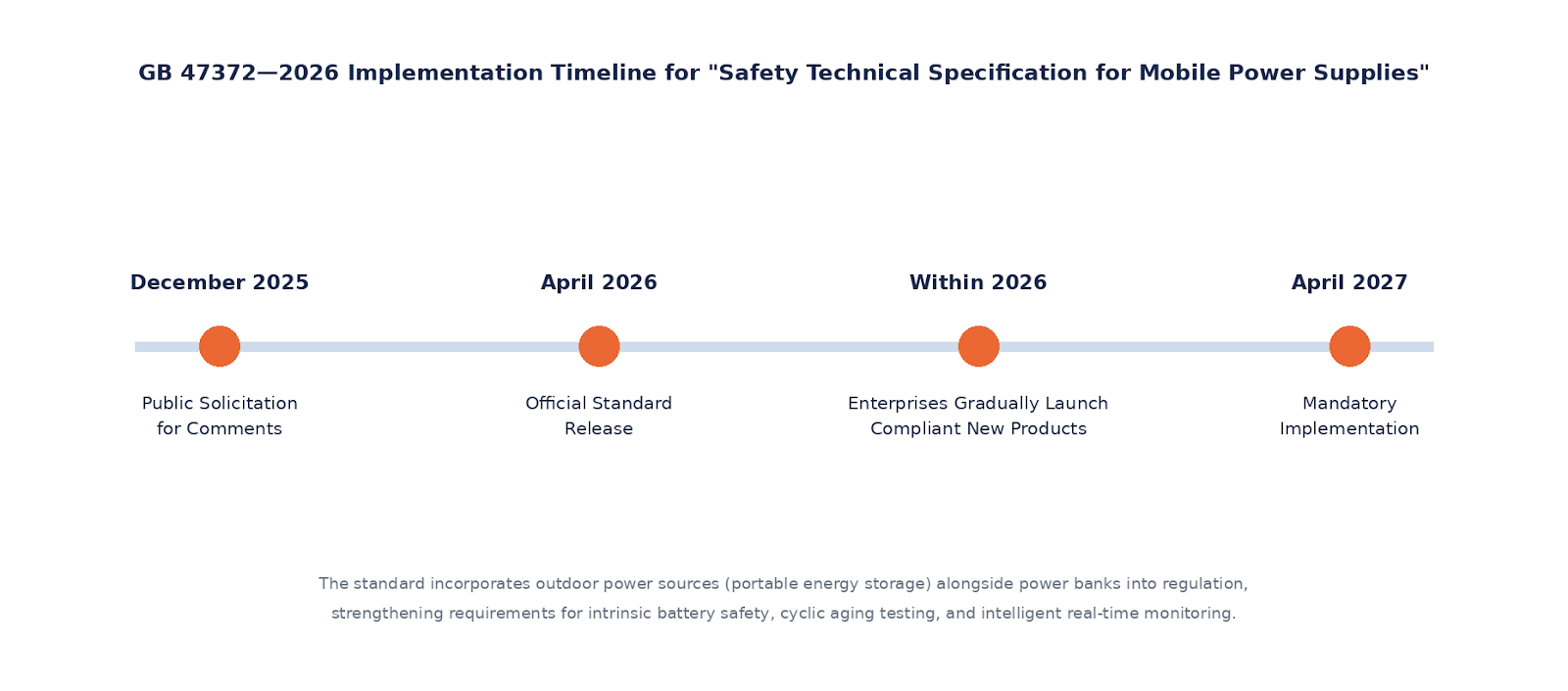
Figure 4 Timeline for the advancement of the GB 47372—2026 standard
Key changes in the new national standard include: the introduction of a nail penetration test for battery cells to enhance intrinsic safety; the addition of lithium plating detection following cycle aging to mitigate the risk of internal short circuits after prolonged use; and requirements for real-time monitoring of critical parameters—such as voltage and temperature—along with the ability to store and retrieve data on anomalies, thereby improving traceability and reliability during abnormal conditions like overvoltage, over-temperature, or external interference. Industry data indicates that following the implementation of these new regulations, the product non-compliance rate has dropped sharply from 22.8% to a single-digit figure. This regulatory trend underscores the industry's growing emphasis on "electromagnetic environment adaptability" and "protection reliability under abnormal conditions"—and avoiding environments with strong static electricity or magnetic fields remains the simplest, most effective way for users to complement this safety system and minimize the risk of interference during daily operation.
VI. Recommendations for Proper Use
• When using or storing the portable power station, keep it away from sources of strong magnetic fields—such as substations, large electric motors, industrial magnets, and high-power speaker magnets—and maintain a safe distance.
• Avoid charging or discharging the unit in dry environments prone to high-voltage static electricity generation through friction, such as workshops handling plastic films or chemical fibers. In dry winter conditions, touch a grounded metal object to discharge static electricity from your body before operation.
• If the device exhibits anomalies—such as screen glitches, automatic restarts, or output interruptions—while in a specific environment, stop using it immediately and move away from potential sources of interference. Assess whether to resume use only after the device returns to normal operation.
• Carefully read the safety guidelines in the included manual before use; susceptibility to interference may vary depending on the model and battery cell type (e.g., ternary lithium vs. lithium iron phosphate).
• It is not recommended to use the portable power station as the primary or sole power source for life-support medical equipment, such as ventilators or ECMO machines.
• When purchasing, prioritize products that comply with the latest mandatory national standards (such as GB 47372—2026) and hold 3C certification. Following the implementation of the new national standard, pay attention to the standard number and traceability QR code on the packaging.
Conclusion
The seemingly brief warning—"Do not use in environments with strong static electricity or strong magnetic fields"—addresses underlying risks: electrostatic discharge can damage precision semiconductor components, while strong magnetic fields can interfere with current sensing and protection systems. Either scenario could escalate along a path of "interference—misjudgment—loss of control," potentially resulting in actual safety incidents. As stricter national standards (such as GB 47372—2026) are implemented, the inherent safety of portable power stations will continue to improve; however, even the most sophisticated product design cannot fully replace a user's own judgment regarding the operating environment. Keeping portable power stations away from strong static electricity and magnetic fields is a virtually cost-free habit that significantly reduces the risk of malfunctions and safety hazards—a practice every user should take seriously.
This article was compiled from publicly available product manuals, industry technical materials, and publicly reported regulatory information. It is intended for general educational purposes only; for the specific safety requirements of any product, always refer to the official manual and manufacturer guidance.